CapitaLand@Work
The first launch of CapitaLand’s workplace platform - building access, visitor passes and six admin roles, designed end to end by one person.
- Sector
- Commercial real estate
- Client
- CapitaLand, Singapore
- Role
- Sole designer - owned the product design end to end
- Scope
- Research, user flows, user testing, UI, illustration and icon set, mobile app, admin portals, EDMs
- Tools
- Adobe XD, Adobe Illustrator
- Year
- 2019-2020
The problem
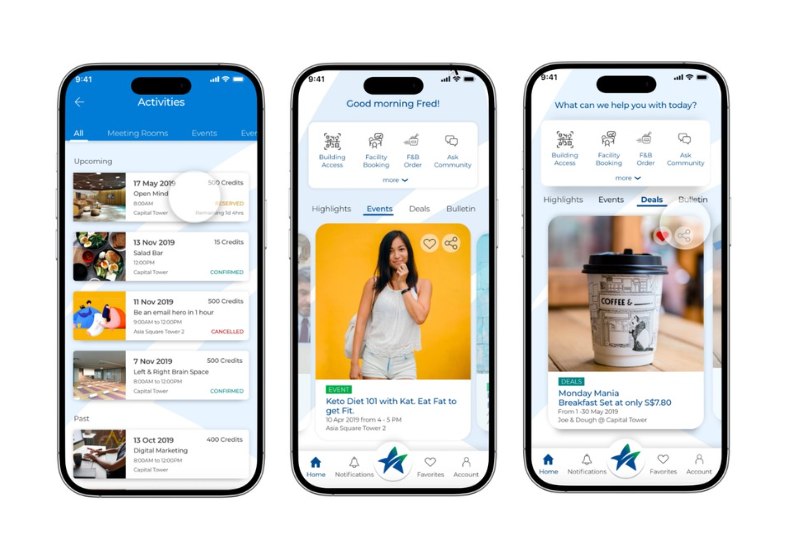
CapitaLand owns a great deal of commercial floor space in Singapore, and the companies renting it have an administrative problem the landlord had never solved for them: who is allowed through the turnstile, and who says so.
A tenant needed to grant and revoke building access for its own employees without phoning the landlord. A visitor needed to get in and out without a paper logbook. A building manager needed to see all of it across a portfolio of towers. None of that existed in one place.
What I did
I was the only designer on the project. My employer won the tender for it and hired me to build it, and from that point the design was mine end to end - research, user flows, user testing, the interface, the illustration and icon set, the admin portals and the EDMs.
That meant working directly with the people who owned the constraints rather than through a brief: CapitaLand’s stakeholders and their security director, and the engineers building against my flows. We ran it in sprints, with testing between them.
The first launch, and what came after
At this point the product was called CapitaLand@Work and it was deliberately separate from CapitaStar, the group’s retail rewards app. The client wanted retail shoppers and building tenants kept apart, so there were no points and no rewards here - just the working day.
The points programme came later, and with it the rename to CapitaStar@Work - the version that won its category at the 2023 SBR Technology Excellence Awards. This page is the platform underneath that.
Six roles, one system
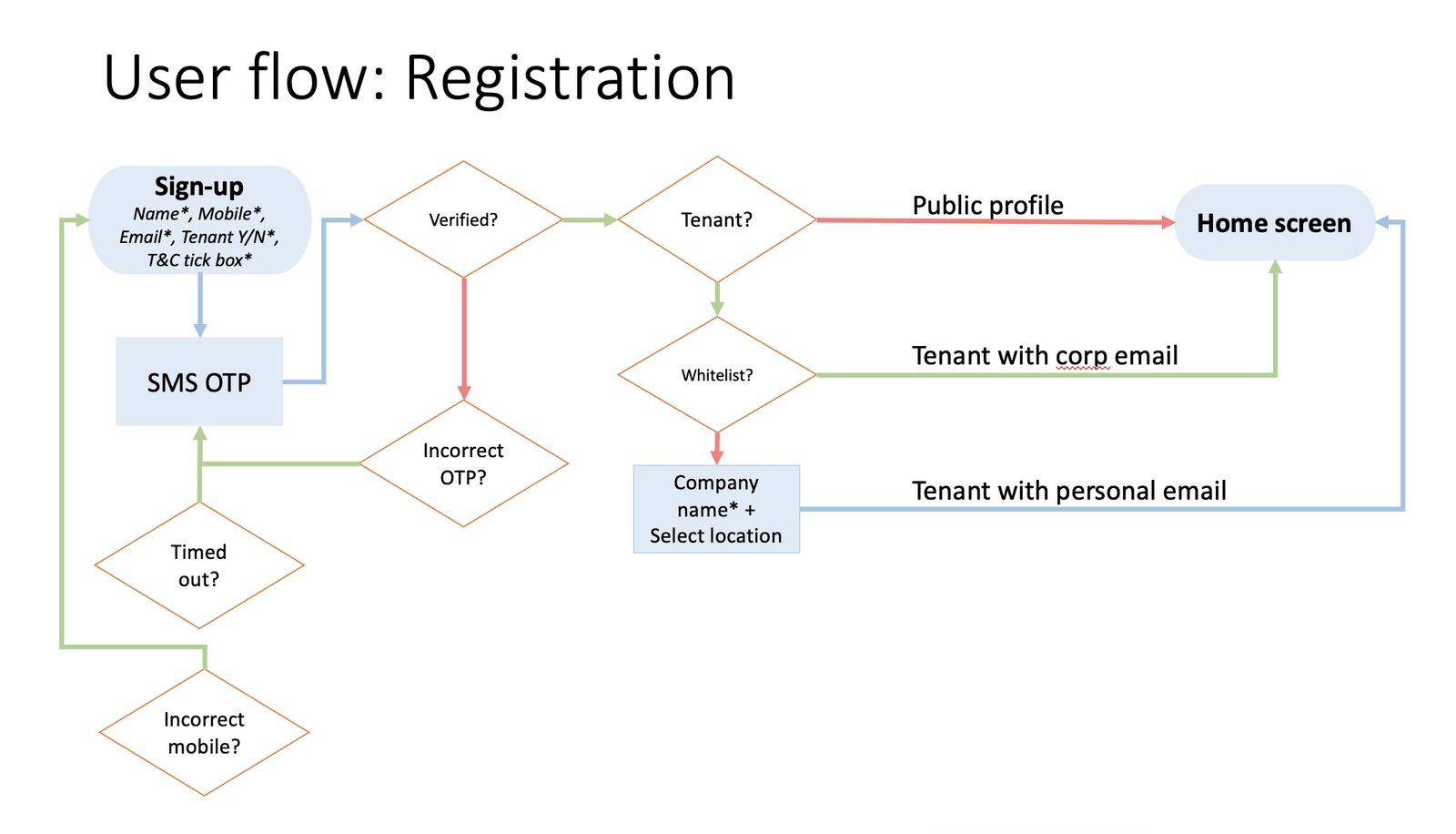
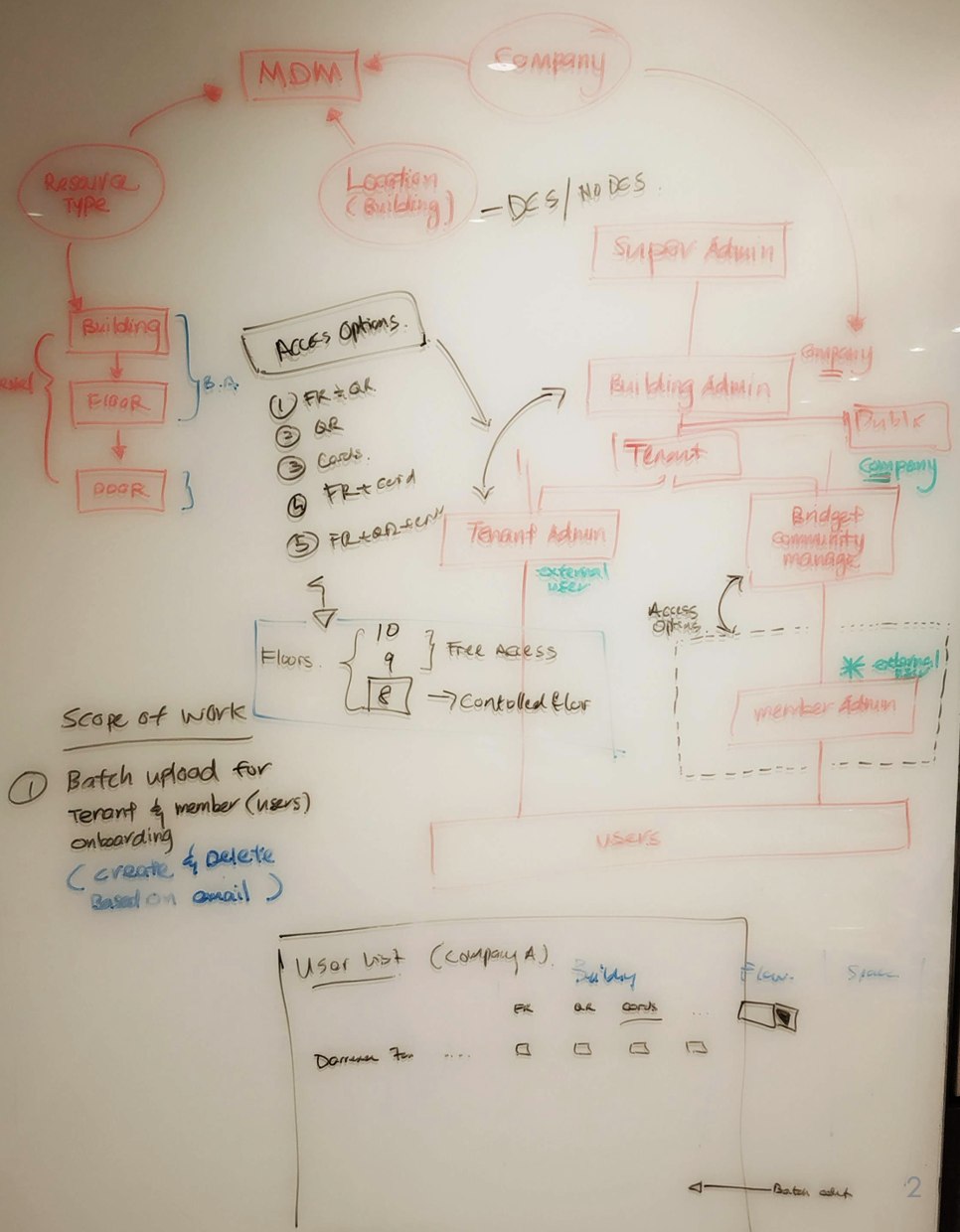
The hardest part was never the app. It was that six different kinds of administrator needed the same underlying data and completely different authority over it:
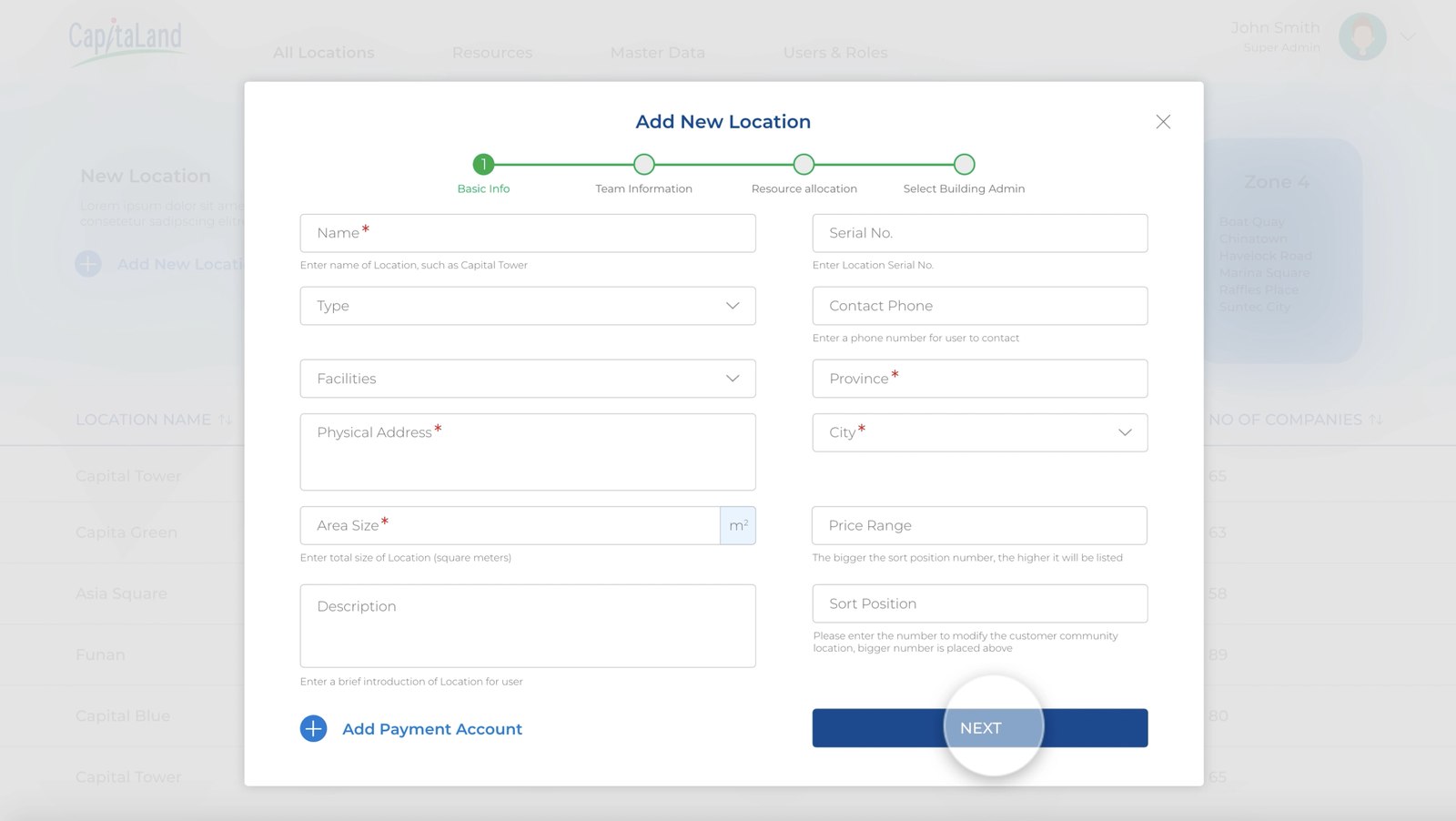
- Super admin - creates locations and resources, enrols building admins
- Building admin - tags tenants to locations, grants access rights and allotments across a building
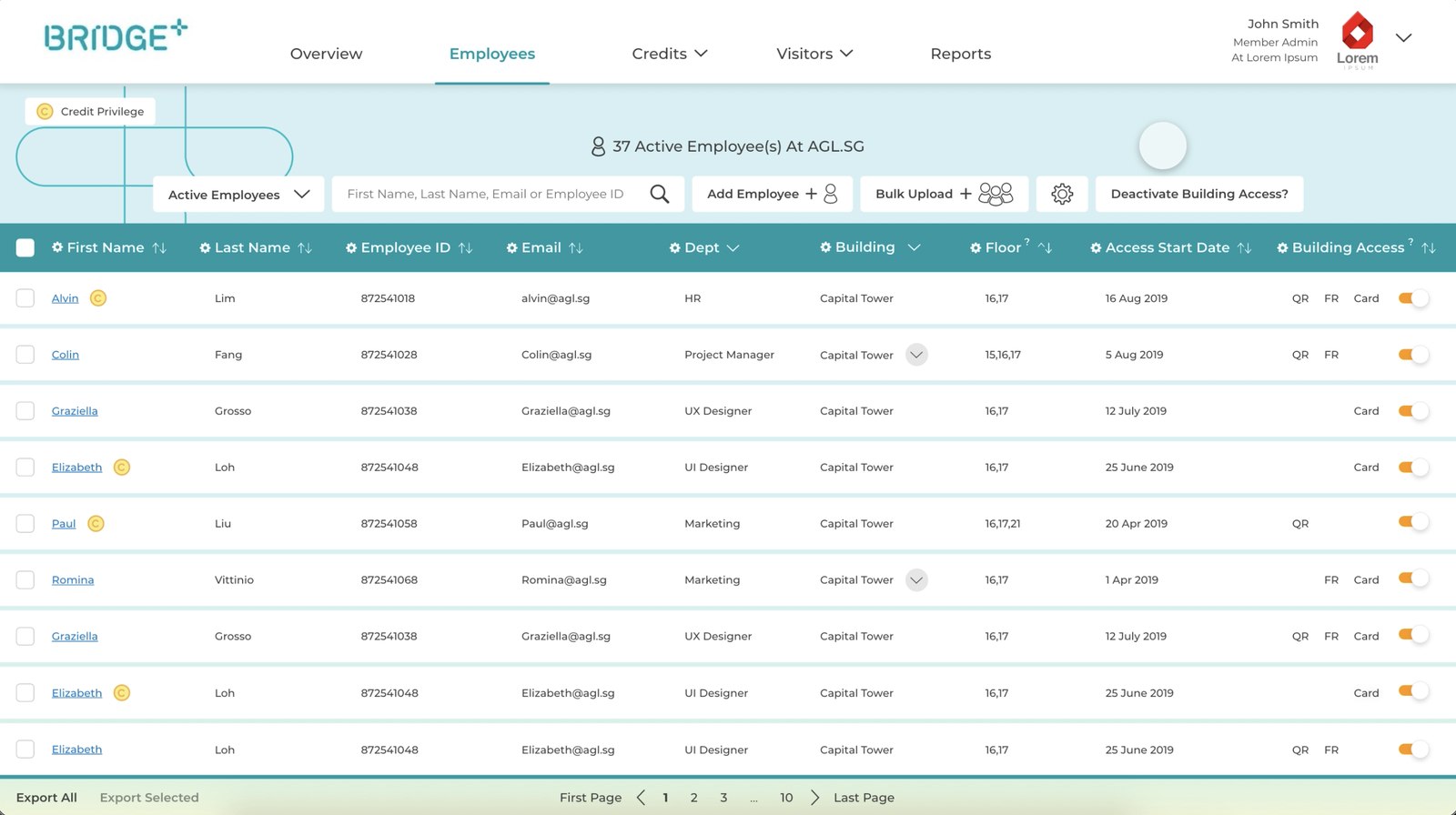
- Bridge+ admin - the same powers scoped to Bridge+, CapitaLand’s co-working brand
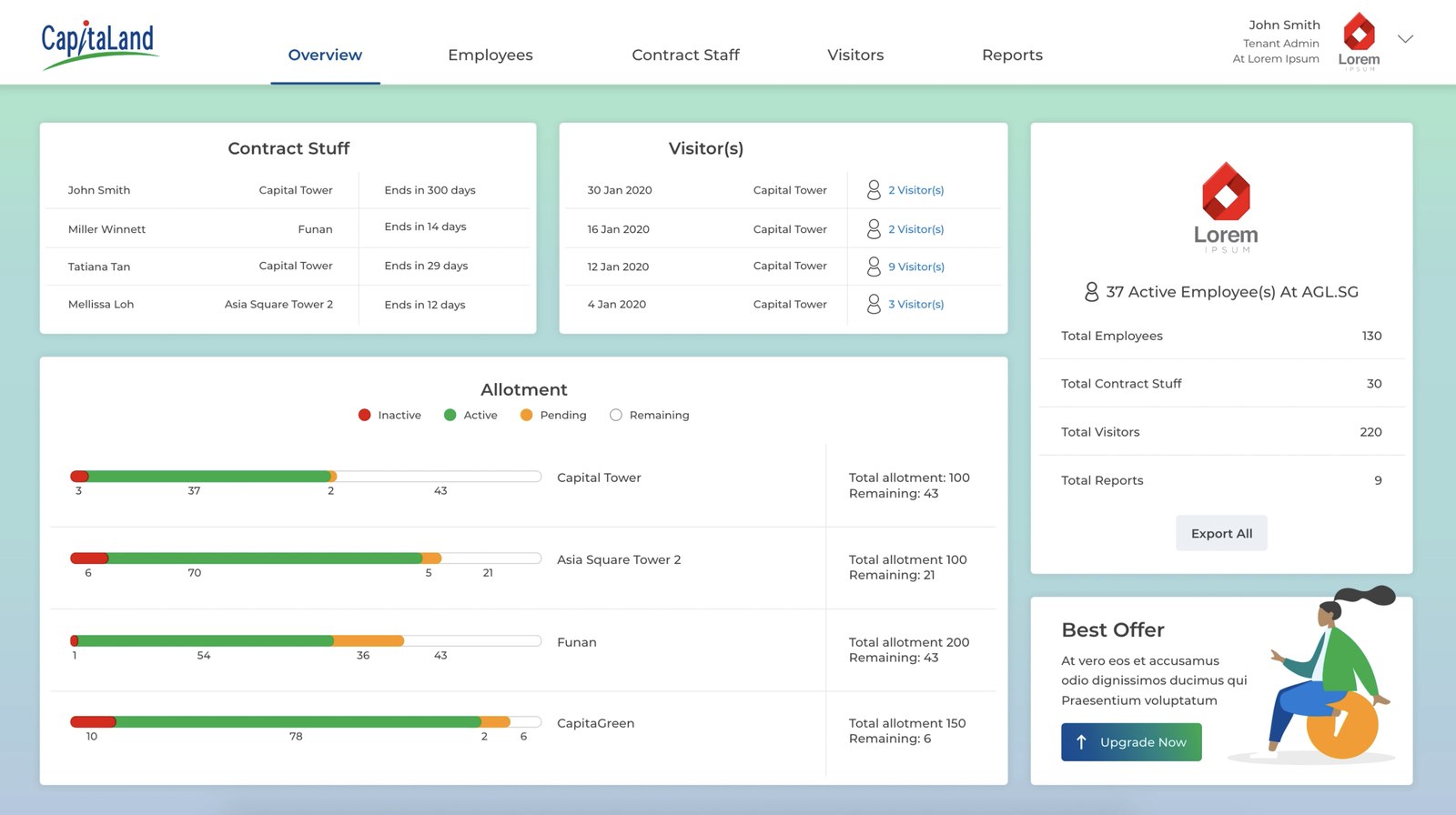
- Tenant admin - appoints employees and edits their access, at one company
- Member admin - manages credits and individual access for Bridge+ members
- Data admin - master data: locations, resource IDs, company profiles
I mapped all six as journeys rather than permission tables - what each actor is trying to achieve, in what order, and where the paths touch. That map is what stopped the portal becoming one screen with everything switched off for most people.
The portals
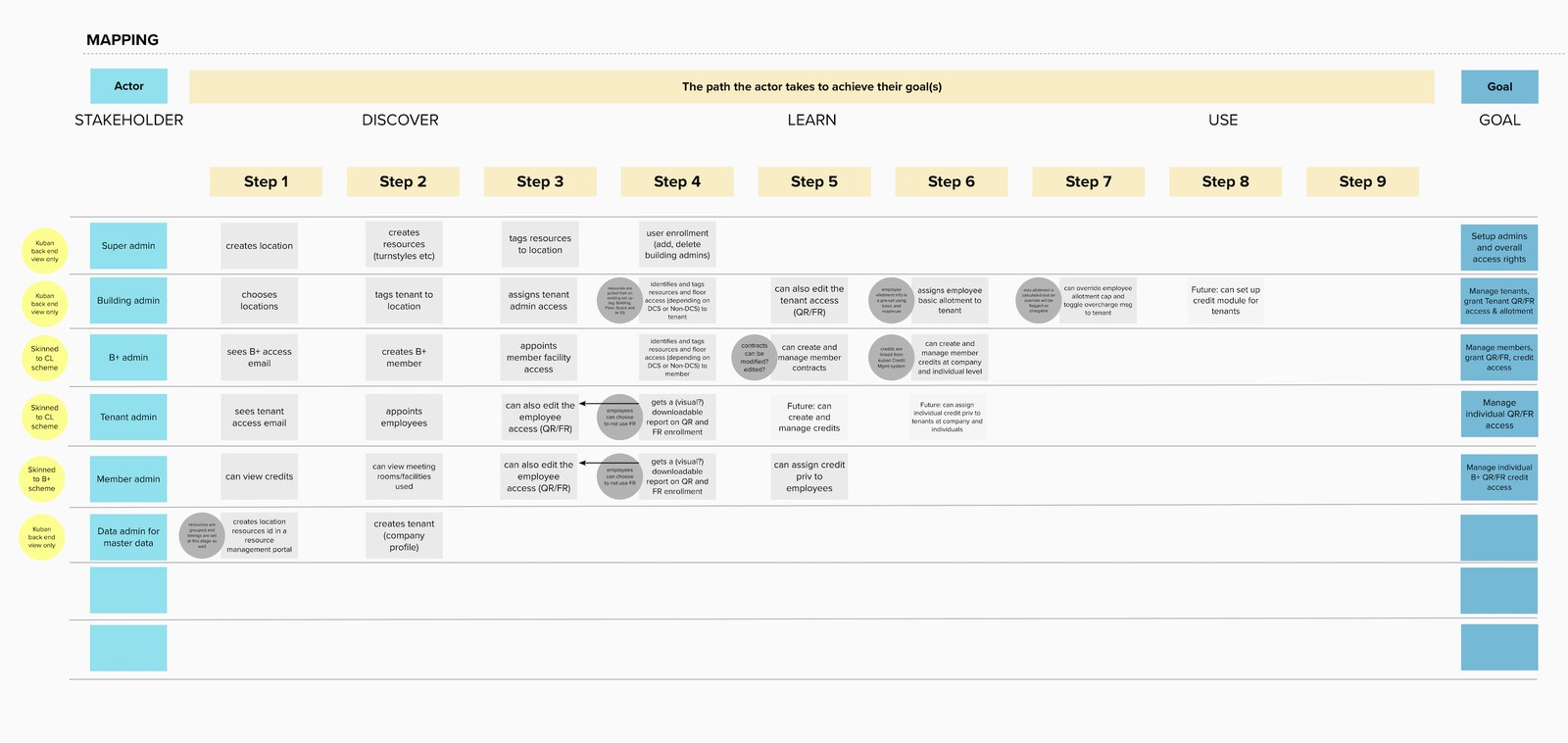
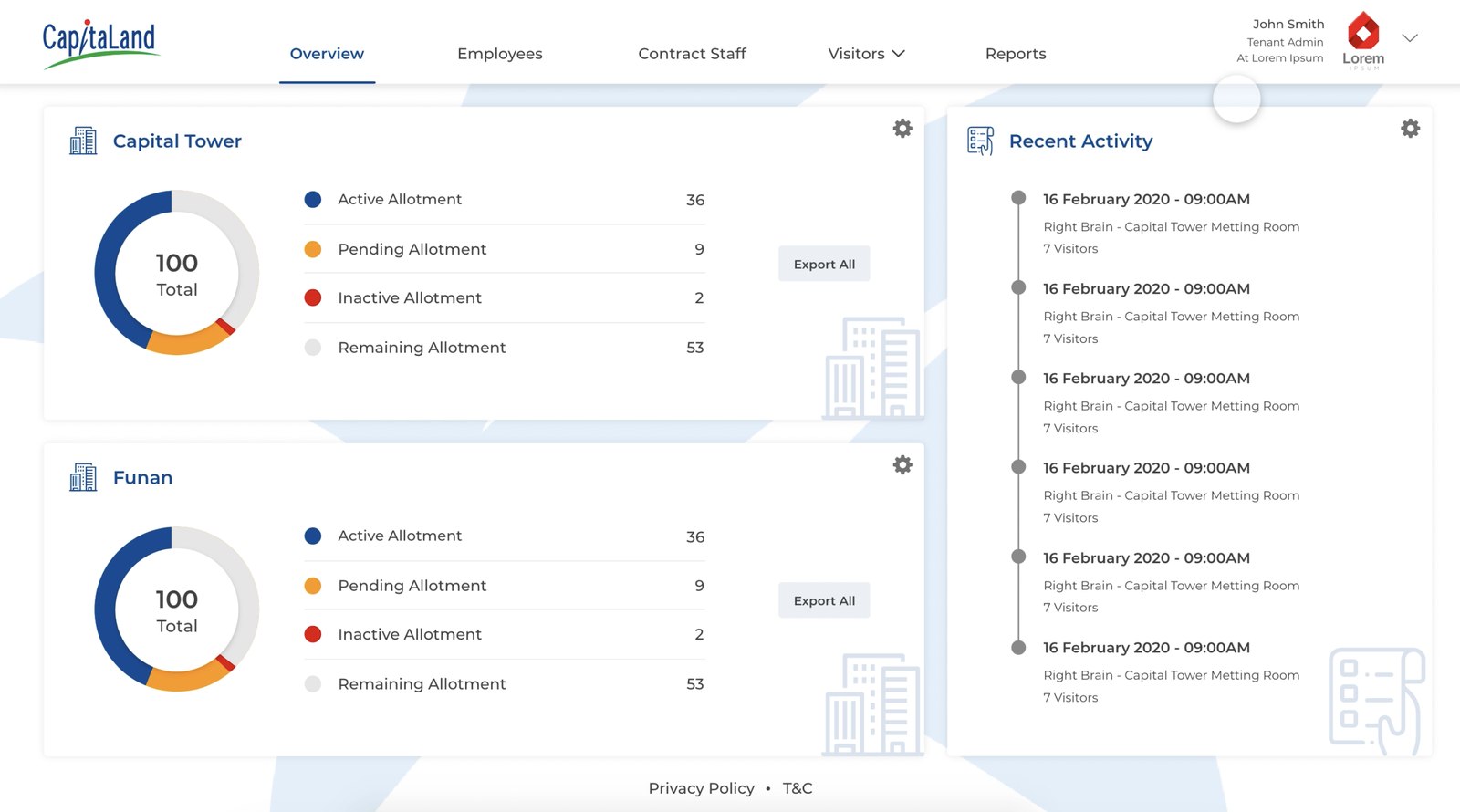
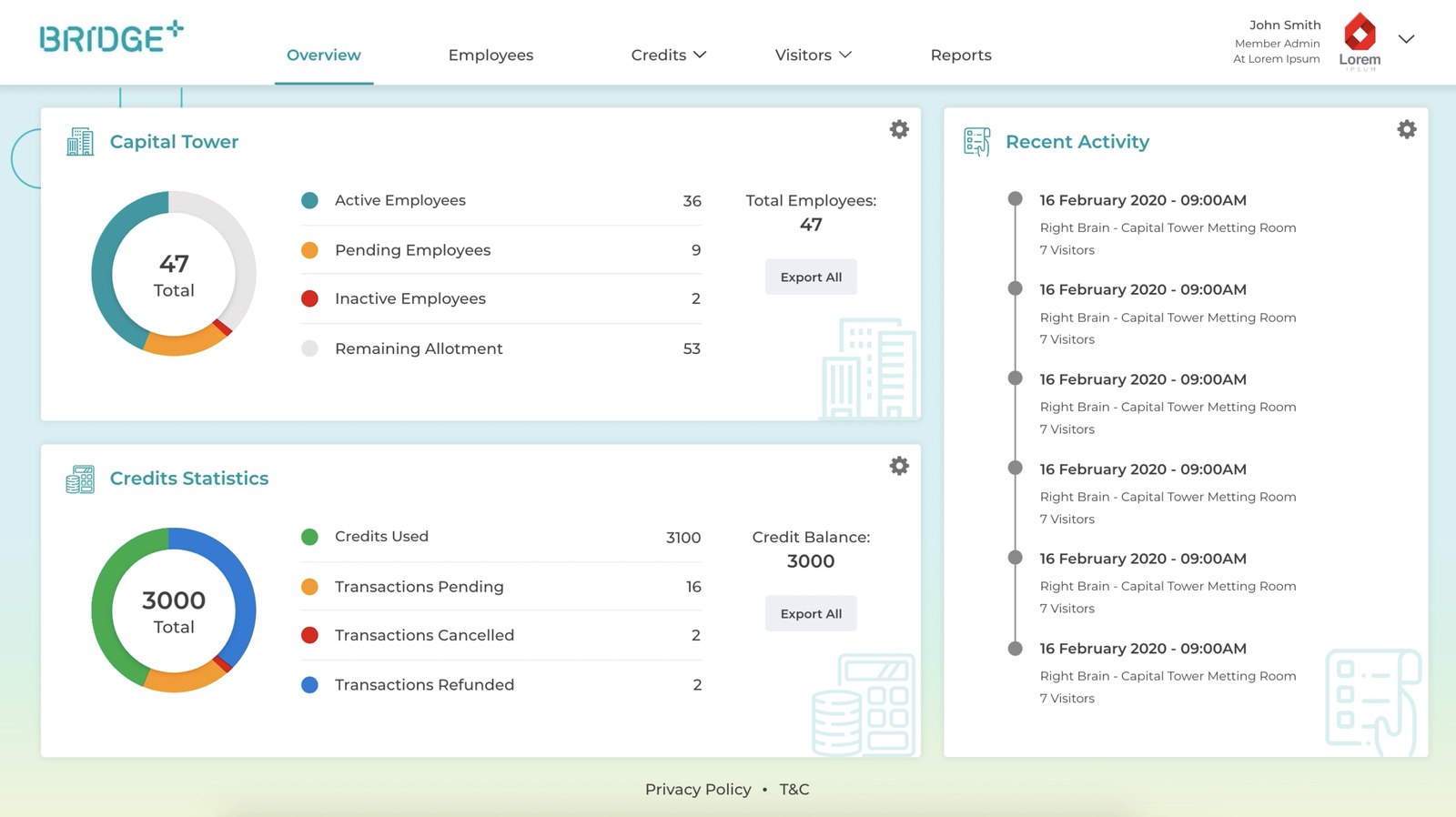
Separate portals, not one portal with hidden menus. The building admin works across a portfolio of towers; a tenant admin works inside one company and should never see another. Those are different products that happen to share a database.
Each tenant’s portal and app could also be white-labelled - their own logo, colours and dashboard arrangement - with analytics for the tenant’s own usage. Bridge+, the largest operator on the platform, got its own build of the whole thing.
Research and testing
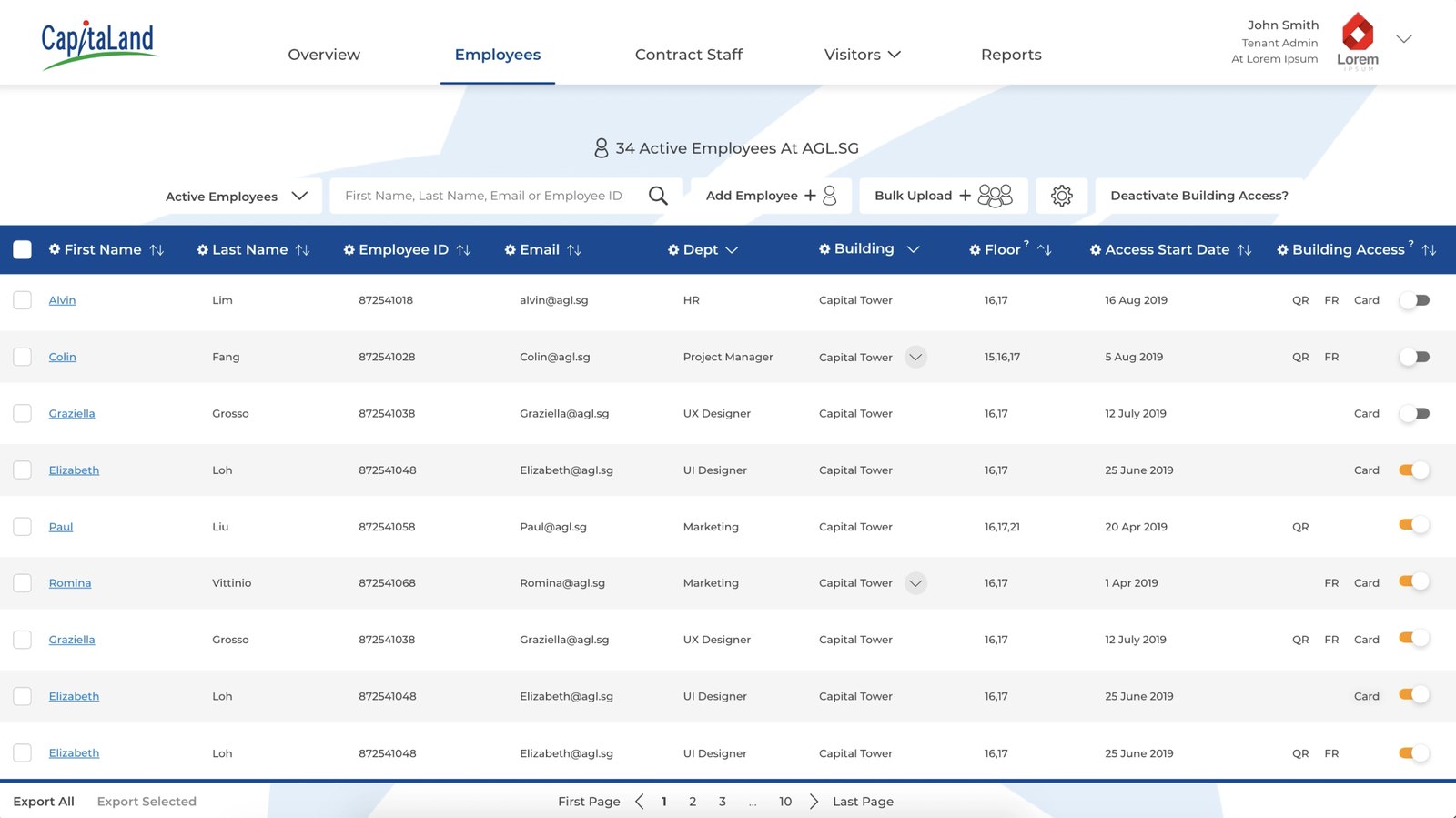
Research up front, then user testing between sprints - with the people who would actually run these portals, not a proxy for them. The value of testing an admin tool is that its users are specific and reachable, so there is no excuse for guessing.
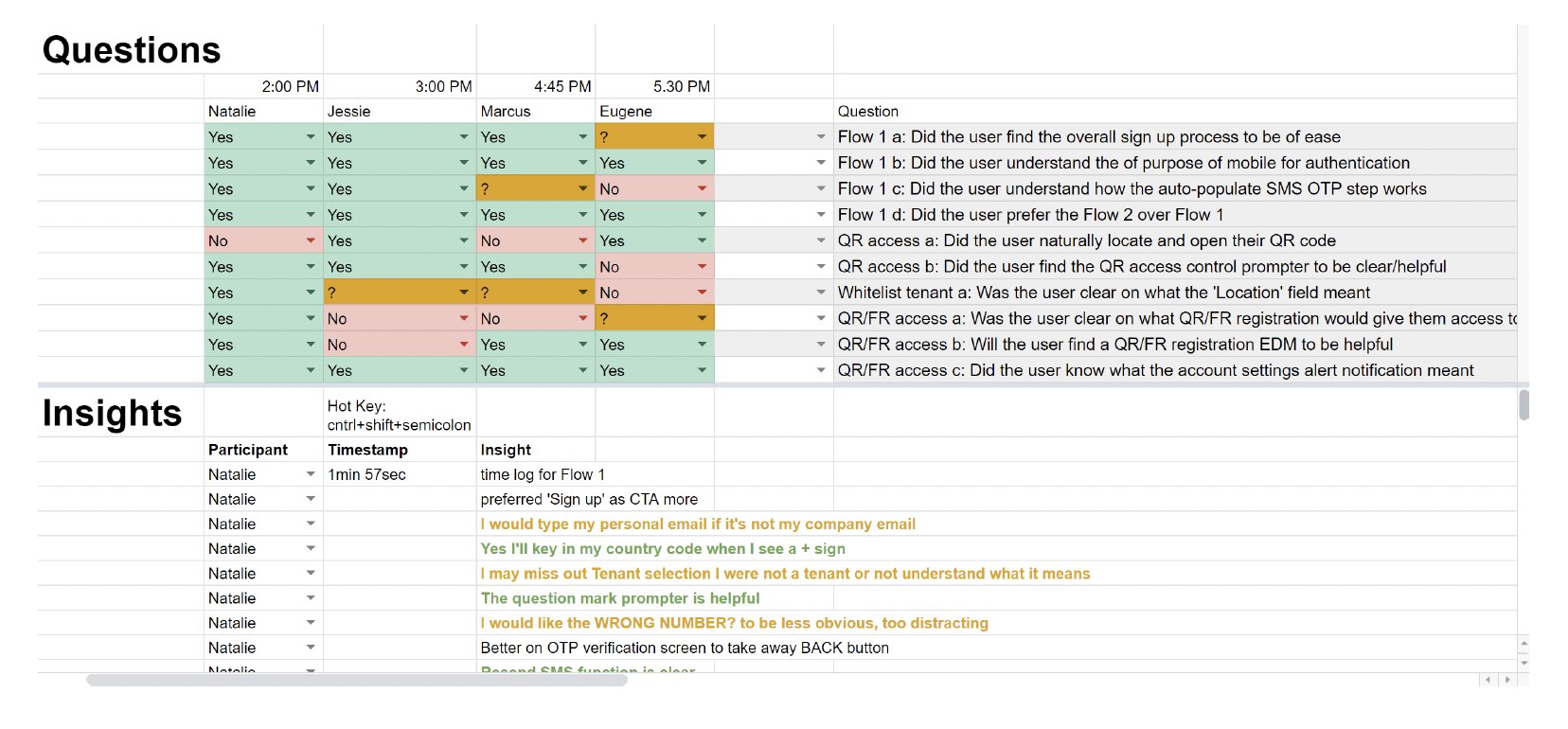
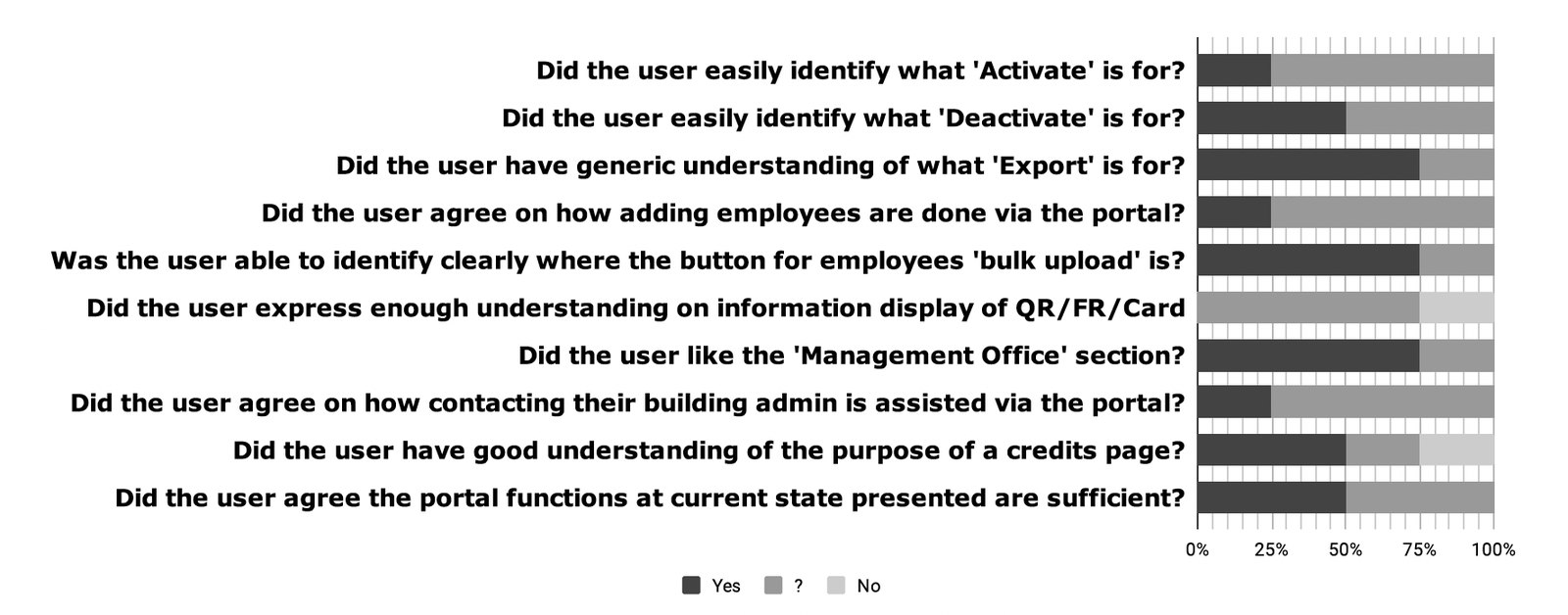
Illustration and interface
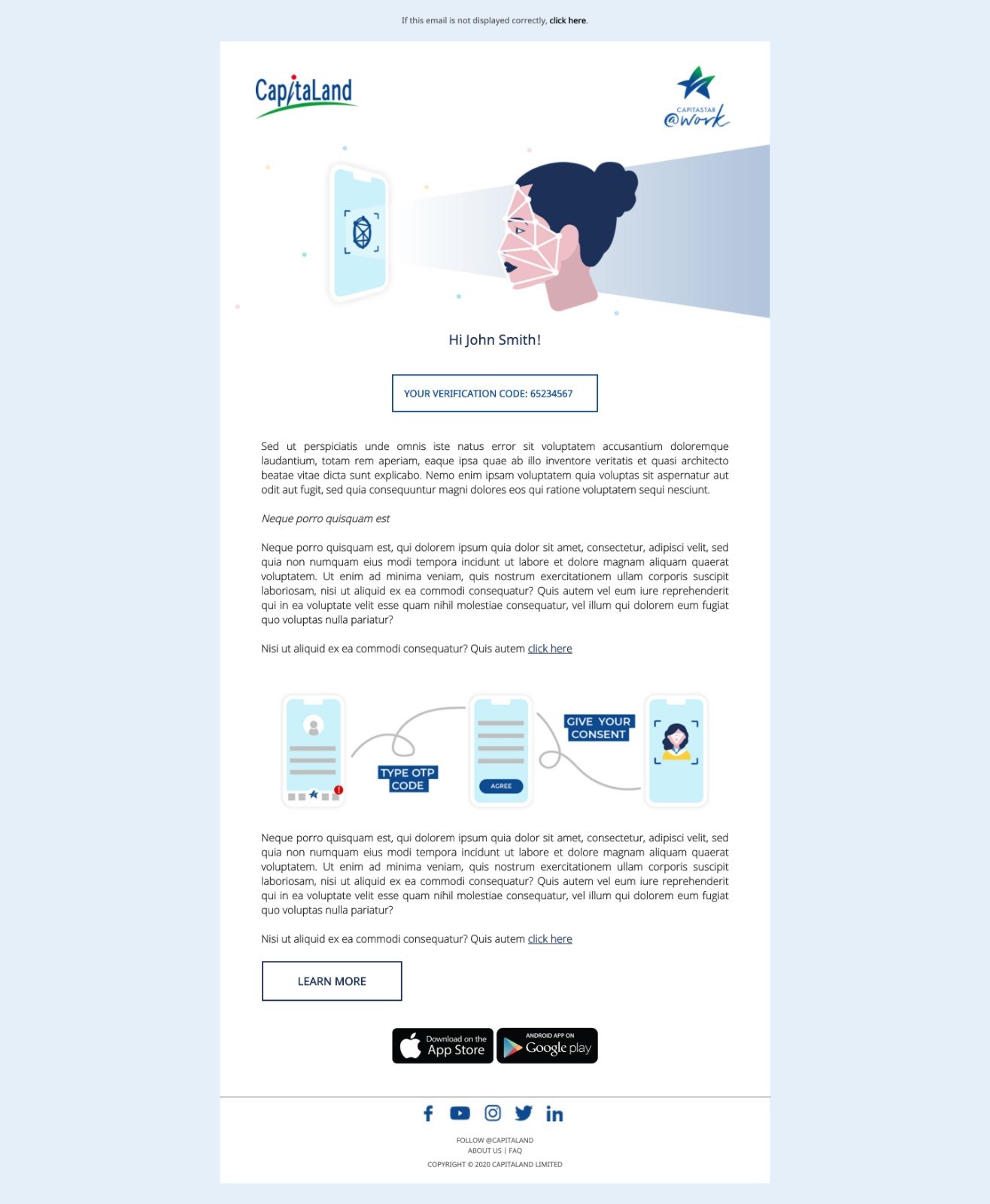
I drew the illustration and icon set as well as designing the interface. An access-control product is a cold thing to use, and a custom illustration set was what kept an empty state or a first-run screen from feeling like enterprise software with the lights off.
Outcome
CapitaLand@Work launched as the group’s first workplace platform: an app for employees and visitors, six admin roles behind it, white-labelling for tenants and a separate build for Bridge+.
It became CapitaStar@Work when the points programme was folded in - the award-winning version is the same platform, three years on.
Some of this work is covered by CapitaLand’s security requirements and is not shown here.