Furniture design
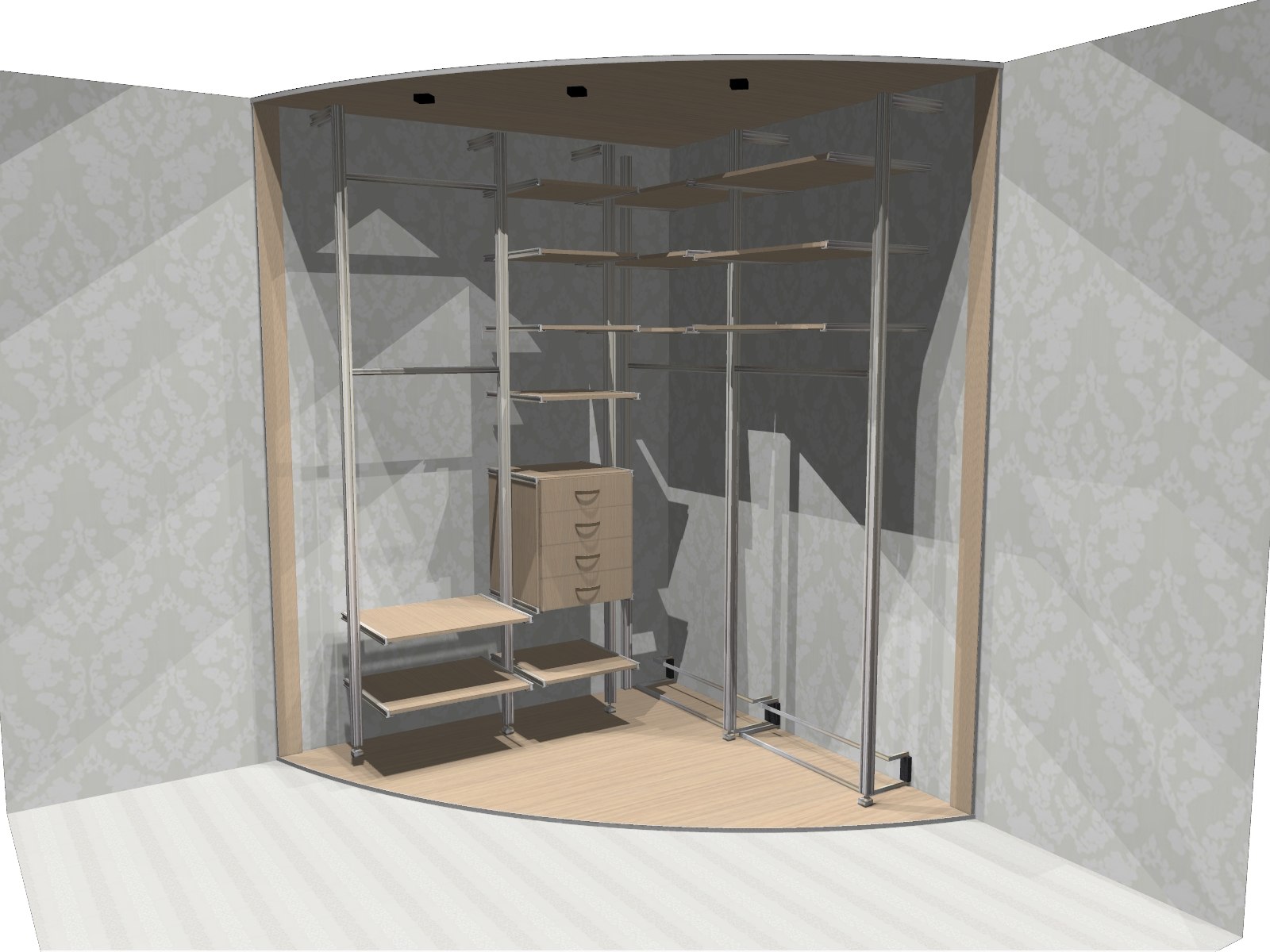
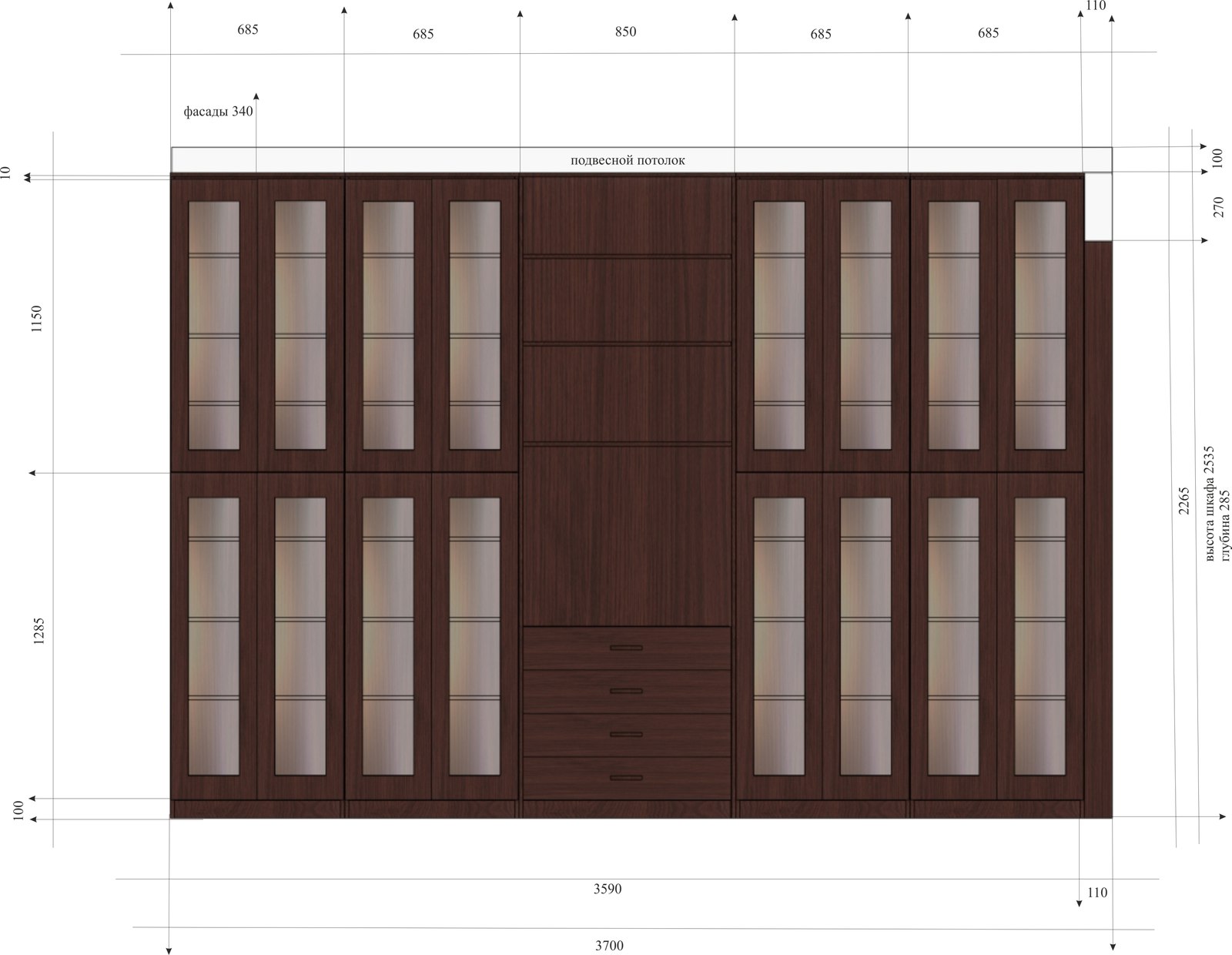
Custom joinery for GVARNERI - from the conversation with the customer, through the render that sells it, to the dimensioned drawing the workshop builds from.
- Sector
- Furniture, custom manufacture
- Company
- GVARNERI, Italian company - Russia
- Role
- Furniture designer
- Scope
- Customer consultation, 3D design, sketching, technical drawings, cost calculation
- Type
- Custom-made, one-off designs
- Year
- 2012
The work
Every piece was custom-made, which means the job starts in someone’s flat with a tape measure and a conversation, not with a catalogue.
The role ran the whole way through:
- Consulting customers - establishing what they actually needed from the space, which is rarely what they asked for
- 3D design and sketching - the render that lets a customer agree to something that does not exist yet
- Technical drawings - dimensioned elevations for the engineers and the workshop
- Cost calculation - because a design nobody can afford is not a design
- Working with suppliers and engineers to keep delivery on time
It is the earliest work on this site, and the first time I had to do the thing every project since has needed: sell an idea to the person paying for it, then hand it over in a form the people building it can actually use.
Rooms and pieces
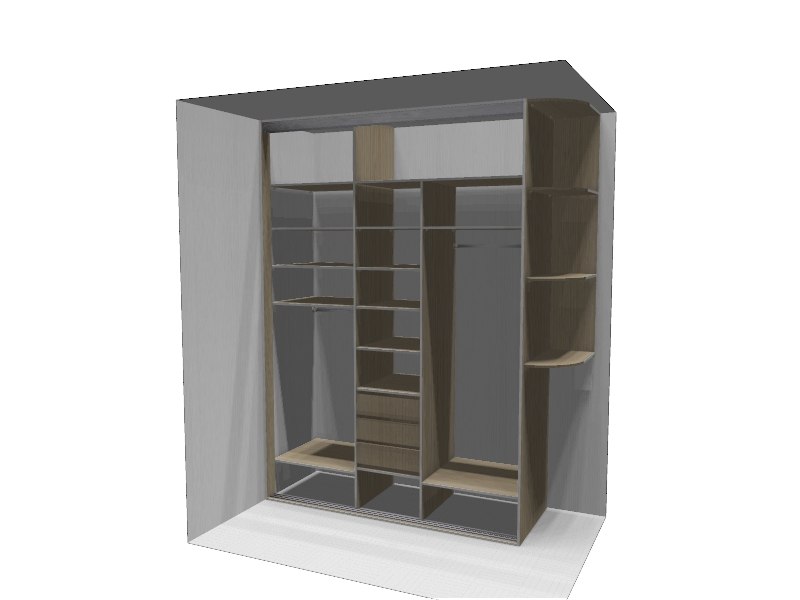
Fitted wardrobes and walk-ins, hallway storage, kitchens, a retail kiosk - designed to the room rather than to a standard carcase size.
Why it is still here
It is fourteen years old and it is not interface design, but it is the reason I can read a technical drawing, talk to an engineer without translating, and hold a cost in my head while I draw. The route from here to product design was not linear, and this is where it starts.